

Someone Had To — Episode 04
The School That Opened a Grocery Store
When hunger entered the lives of students, one school decided it could not remain outside the classroom.
Sanger, Texas
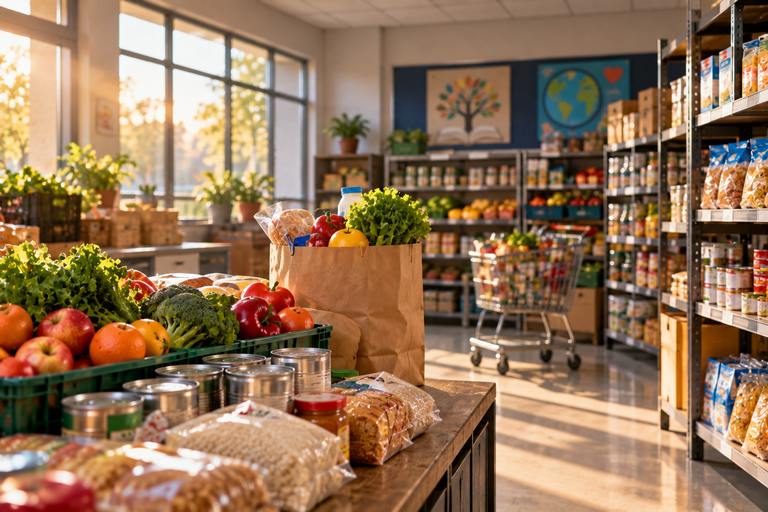
A school usually has classrooms, a library, a playground and perhaps a canteen. Linda Tutt High School in Sanger, Texas, has something else: a grocery store. It carries the things a family actually needs — milk, eggs, vegetables, pasta, canned food, toiletries and household supplies. But there is something unusual about this store. There is no cash counter, and many of the people working behind the counter are students.
When Hunger Becomes a School Problem
The story began during the difficult months of the COVID-19 pandemic, when families were struggling with food insecurity and economic uncertainty. At Linda Tutt High School, Principal Anthony Love was already seeing the consequences. Many students came from economically disadvantaged families, and for some, the problem was not simply whether they would complete their homework. It was whether there would be enough food at home. A local nonprofit, First Refuge Ministries, approached the school with the idea of creating a grocery store inside it.1 Love saw an opportunity in the unusual proposal, and the school partnered with First Refuge Ministries, Texas Health Resources and other community supporters to make it possible. The store opened in 2020. An unused art room became a grocery store, and a school began addressing a problem that textbooks could not solve.
But It Was Not Meant to Be Just a Food Pantry
There was an important question. If the school simply gave food away, it would help families today — but could the same project also prepare students for tomorrow? Love and his colleagues decided that it could. The students would run the store. They would stock shelves, maintain inventory, organise orders, help customers and take on the different responsibilities associated with running a real business, roles the school describes as opportunities to develop customer service, inventory management, marketing and sales skills.2 The grocery store therefore became two things at once: a source of food for families, and a place where young people learned how work works.
There Was Another Idea Behind the Points
The store did not operate on ordinary money. Students and families could receive points based on need and, in the student system, points could also be earned through positive behaviour, service and other contributions.3 Cleaning around the school, helping others, doing well in class and taking responsibility could all become part of the system. The idea was not to make struggling families prove that they deserved food. It was to create a system in which students could experience responsibility and contribution while preserving something that poverty can easily take away: dignity. Love explained that the purpose was partly to build students’ pride and dignity while teaching them life and job skills. That distinction matters. A food pantry says, here is something you need. This school was trying to say something slightly different: you are still capable of contributing.
The Students Became Part of the Answer
That changed the atmosphere of the project. A student might arrive at the store not as someone waiting for charity, but as a manager. Another might be responsible for inventory, another might stock shelves, and another might prepare an order for a family. The school had created a place where students could learn responsibility by doing something that mattered to other people. One student, Hunter Weertman, worked as a manager, stocking shelves and taking inventory; he spoke about the satisfaction of seeing people leave with food and knowing that they would not have to wake up hungry.4 That is a different kind of lesson. There is no worksheet for it, and no examination. But there is learning.
Then the Doors Opened Wider
The store was initially created around the needs of students and school families, but the need did not stop at the school gate. The grocery store eventually began serving the wider community as well. The school’s current information says community families receive essential food and fresh produce at no charge, with students and staff volunteers helping stock shelves and deliver goods.2 The school had started with a problem among its students. It gradually became a community resource, and the students themselves were helping provide it.
It Became Bigger Than One School
The most interesting part of the story may be what happened afterward. The grocery store did not disappear when the headlines did. Sanger Independent School District continues to operate the program in partnership with community organisations, businesses, farmers and food-support agencies, and describes the store as part of a wider effort to remove barriers to student success. According to the Texas Education Agency, the student-run grocery store has served more than 10,300 families, and continues to receive financial and material support from national brands, nonprofits and community groups.5 A small idea that began in a school building had become something much larger.
A food pantry says, here is something you need. This school was trying to say something slightly different: you are still capable of contributing.
What Does a School Owe Its Students?
This is where the story becomes bigger than a grocery store. A school is usually expected to teach mathematics, language, science and other subjects. But what happens when a child is trying to learn while worrying about food at home? Can education really be separated from the conditions in which a child lives? Linda Tutt High School’s answer was not to wait for someone else to solve the problem. It was to bring part of the solution inside the school — not perfectly, not alone, but practically.
Someone Had To
Anthony Love did not build the grocery store by himself. First Refuge Ministries brought the original idea, community organisations, businesses, food banks, volunteers and donors helped sustain it, and the students became an essential part of its daily operation. That makes the story more meaningful, not less, because “Someone Had To” has never been about superheroes. It is about what happens when someone sees a problem and refuses to say, “That is somebody else’s responsibility.” Someone had to notice that hungry children were trying to learn. Someone had to ask whether a school could do more. Someone had to turn an empty room into something useful, put students behind the counter, and believe that receiving help and learning to help others could happen in the same place. At Linda Tutt High School, someone did. And perhaps that is the question worth carrying from Sanger, Texas, into our own communities: what problem have we become so accustomed to seeing that we have stopped asking what we can do about it? Sometimes the answer does not require a new building. Sometimes it begins with an empty room, a few people willing to help, and someone willing to say it.
Someone had to.
Notes
- Houston Chronicle, “Free student-run grocery store helps Texas families struggling in the pandemic,” on the store’s launch and its origin with First Refuge Ministries in collaboration with Texas Health Resources, the city of Sanger and the school. chron.com ↩
- Sanger Independent School District, “Linda Tutt Grocery Store,” on the store’s purpose, student job roles, partners and weekly community distribution. sangerisd.net ↩
- The Dallas Morning News, “Pride and produce: Tiny Sanger school gets charity right,” 14 December 2020, on the points system and student cashiers. dallasnews.com ↩
- Good Morning America, “High school-run grocery store for food insecure students and families takes good deeds as payment,” on student manager Hunter Weertman. goodmorningamerica.com ↩
- Texas Education Agency, figure on families served by the Linda Tutt student-run grocery store. ↩
समवन हैड टू — एपिसोड 04
वह स्कूल जिसने किराने की दुकान खोली
जब छात्रों की ज़िंदगी में भूख दाख़िल हुई, तो एक स्कूल ने तय किया कि वह कक्षा के बाहर खड़ा नहीं रह सकता।
सैंगर, टेक्सस
एक स्कूल में आमतौर पर कक्षाएं, एक पुस्तकालय, एक खेल का मैदान और शायद एक कैंटीन होती है। टेक्सस के सैंगर शहर के लिंडा टट हाई स्कूल में इसके अलावा कुछ और भी है: एक किराने की दुकान। इसमें वही चीज़ें मिलती हैं जो किसी परिवार को सचमुच चाहिए — दूध, अंडे, सब्ज़ियां, पास्ता, डिब्बाबंद खाना, साबुन-शैंपू जैसी ज़रूरी चीज़ें और घरेलू सामान। लेकिन इस दुकान में एक बात अनोखी है। यहां कोई नक़द काउंटर नहीं है, और काउंटर के पीछे काम करने वालों में बहुत से छात्र हैं।
जब भूख स्कूल की समस्या बन जाती है
कहानी कोविड-19 महामारी के कठिन महीनों में शुरू हुई, जब परिवार खाद्य असुरक्षा और आर्थिक अनिश्चितता से जूझ रहे थे। लिंडा टट हाई स्कूल में प्रिंसिपल एंथनी लव इसके नतीजे पहले से देख रहे थे। कई छात्र आर्थिक रूप से कमज़ोर परिवारों से आते थे, और कुछ के लिए सवाल सिर्फ़ यह नहीं था कि वे अपना होमवर्क पूरा करेंगे या नहीं, बल्कि यह था कि घर में पर्याप्त खाना होगा या नहीं। एक स्थानीय गैर-लाभकारी संस्था, फ़र्स्ट रिफ़्यूज मिनिस्ट्रीज़, स्कूल के भीतर एक किराने की दुकान खोलने का विचार लेकर आई।1 लव ने इस असामान्य प्रस्ताव में एक अवसर देखा, और स्कूल ने फ़र्स्ट रिफ़्यूज मिनिस्ट्रीज़, टेक्सस हेल्थ रिसोर्सेज़ और अन्य सामुदायिक सहयोगियों के साथ मिलकर इसे संभव बनाया। दुकान 2020 में खुली। एक ख़ाली आर्ट रूम किराने की दुकान बन गया, और एक स्कूल उस समस्या से जूझने लगा, जिसे पाठ्यपुस्तकें हल नहीं कर सकती थीं।
लेकिन यह सिर्फ़ फ़ूड पैंट्री बनकर नहीं रहना था
एक अहम सवाल था। अगर स्कूल बस खाना बांट देता, तो इससे परिवारों को आज मदद मिलती — लेकिन क्या यही परियोजना छात्रों को कल के लिए भी तैयार कर सकती थी? लव और उनके सहकर्मियों ने तय किया कि हां, कर सकती थी। दुकान छात्र चलाएंगे। वे शेल्फ़ों में सामान लगाएंगे, स्टॉक का हिसाब रखेंगे, ऑर्डर तैयार करेंगे, ग्राहकों की मदद करेंगे और असली कारोबार चलाने से जुड़ी अलग-अलग ज़िम्मेदारियां संभालेंगे — ऐसी भूमिकाएं, जिन्हें स्कूल ग्राहक सेवा, इन्वेंट्री प्रबंधन, मार्केटिंग और बिक्री जैसे कौशल विकसित करने के अवसर बताता है।2 इस तरह किराने की दुकान एक साथ दो चीज़ें बन गई: परिवारों के लिए भोजन का स्रोत, और ऐसी जगह जहां युवा सीखते थे कि काम कैसे काम करता है।
पॉइंट्स के पीछे एक और विचार था
दुकान आम पैसों से नहीं चलती थी। छात्र और परिवार ज़रूरत के आधार पर पॉइंट पा सकते थे, और छात्रों की व्यवस्था में पॉइंट अच्छे व्यवहार, सेवा और अन्य योगदान से भी कमाए जा सकते थे।3 स्कूल के आसपास सफ़ाई करना, दूसरों की मदद करना, कक्षा में अच्छा करना और ज़िम्मेदारी लेना, सब इस व्यवस्था का हिस्सा बन सकते थे। विचार यह नहीं था कि जूझते परिवारों को साबित करना पड़े कि वे खाने के हक़दार हैं। विचार एक ऐसी व्यवस्था बनाने का था, जिसमें छात्र ज़िम्मेदारी और योगदान का अनुभव कर सकें, और वह चीज़ बची रहे जिसे ग़रीबी आसानी से छीन लेती है: गरिमा। लव ने समझाया कि मक़सद कुछ हद तक छात्रों में गर्व और गरिमा का भाव बनाना था, साथ ही उन्हें जीवन और रोज़गार के कौशल सिखाना। यह फ़र्क़ मायने रखता है। एक फ़ूड पैंट्री कहती है, यह रही वह चीज़ जो आपको चाहिए। यह स्कूल कुछ थोड़ा अलग कहने की कोशिश कर रहा था: आप अब भी योगदान देने में सक्षम हैं।
छात्र समाधान का हिस्सा बन गए
इससे परियोजना का माहौल बदल गया। एक छात्र दुकान पर दान का इंतज़ार करने वाले के रूप में नहीं, बल्कि मैनेजर के रूप में आ सकता था। कोई दूसरा इन्वेंट्री संभाल सकता था, कोई शेल्फ़ों में सामान लगा सकता था, और कोई किसी परिवार का ऑर्डर तैयार कर सकता था। स्कूल ने ऐसी जगह बनाई थी, जहां छात्र किसी ऐसे काम से ज़िम्मेदारी सीख सकते थे, जो दूसरों के लिए मायने रखता था। एक छात्र, हंटर वीर्टमैन, मैनेजर के रूप में काम करता था — शेल्फ़ों में सामान लगाता और इन्वेंट्री लेता; उसने लोगों को खाना लेकर जाते देखने और यह जानने की संतुष्टि के बारे में बताया कि उन्हें भूखे नहीं उठना पड़ेगा।4 यह एक अलग तरह का सबक़ है। इसके लिए कोई वर्कशीट नहीं है, कोई परीक्षा नहीं है। लेकिन सीख है।
फिर दरवाज़े और चौड़े खुले
दुकान शुरू में छात्रों और स्कूल के परिवारों की ज़रूरतों के आसपास बनी थी, लेकिन ज़रूरत स्कूल के फाटक पर नहीं रुकती थी। किराने की दुकान आख़िरकार व्यापक समुदाय की भी सेवा करने लगी। स्कूल की मौजूदा जानकारी के अनुसार, समुदाय के परिवारों को ज़रूरी भोजन और ताज़ा उपज बिना किसी शुल्क के मिलती है, और छात्र व स्टाफ़ स्वयंसेवक शेल्फ़ों में सामान लगाने और सामान पहुंचाने में मदद करते हैं।2 स्कूल ने अपने छात्रों के बीच एक समस्या से शुरुआत की थी। धीरे-धीरे यह एक सामुदायिक संसाधन बन गया, और इसे उपलब्ध कराने में छात्र ख़ुद मदद कर रहे थे।
यह एक स्कूल से बड़ा हो गया
कहानी का सबसे दिलचस्प हिस्सा शायद वह है जो बाद में हुआ। सुर्ख़ियां चली गईं, लेकिन किराने की दुकान ग़ायब नहीं हुई। सैंगर इंडिपेंडेंट स्कूल डिस्ट्रिक्ट सामुदायिक संगठनों, कारोबारों, किसानों और खाद्य-सहायता एजेंसियों की साझेदारी में यह कार्यक्रम चलाता रहता है, और इस दुकान को छात्रों की सफलता की राह की रुकावटें हटाने के एक व्यापक प्रयास का हिस्सा बताता है। टेक्सस एजुकेशन एजेंसी के अनुसार, छात्र-संचालित इस किराने की दुकान ने 10,300 से ज़्यादा परिवारों की सेवा की है, और उसे राष्ट्रीय ब्रांडों, गैर-लाभकारी संगठनों और सामुदायिक समूहों से वित्तीय और भौतिक सहायता मिलती रहती है।5 एक स्कूल की इमारत में शुरू हुआ एक छोटा सा विचार कहीं बड़ी चीज़ बन चुका था।
एक फ़ूड पैंट्री कहती है, यह रही वह चीज़ जो आपको चाहिए। यह स्कूल कुछ थोड़ा अलग कहने की कोशिश कर रहा था: आप अब भी योगदान देने में सक्षम हैं।
एक स्कूल अपने छात्रों का क्या ऋणी है?
यहीं कहानी किराने की दुकान से बड़ी हो जाती है। एक स्कूल से आमतौर पर अपेक्षा की जाती है कि वह गणित, भाषा, विज्ञान और दूसरे विषय पढ़ाए। लेकिन तब क्या होता है, जब कोई बच्चा घर में खाने की चिंता करते हुए पढ़ने की कोशिश कर रहा हो? क्या शिक्षा को सचमुच उन हालात से अलग किया जा सकता है, जिनमें बच्चा रहता है? लिंडा टट हाई स्कूल का जवाब यह नहीं था कि किसी और के समस्या सुलझाने का इंतज़ार किया जाए। जवाब यह था कि समाधान का एक हिस्सा स्कूल के भीतर ले आया जाए — पूरी तरह परफ़ेक्ट नहीं, अकेले नहीं, लेकिन व्यावहारिक रूप से।
किसी को तो करना ही था
एंथनी लव ने यह किराने की दुकान अकेले नहीं बनाई। मूल विचार फ़र्स्ट रिफ़्यूज मिनिस्ट्रीज़ लेकर आई, सामुदायिक संगठनों, कारोबारों, फ़ूड बैंकों, स्वयंसेवकों और दानदाताओं ने इसे चलाए रखने में मदद की, और छात्र इसके रोज़ के संचालन का अहम हिस्सा बन गए। इससे कहानी कम नहीं, ज़्यादा अर्थपूर्ण बनती है, क्योंकि ‘किसी को तो करना ही था’ कभी सुपरहीरो के बारे में नहीं रहा। यह इस बारे में है कि जब कोई किसी समस्या को देखता है और यह कहने से इनकार कर देता है कि ‘यह किसी और की ज़िम्मेदारी है,’ तब क्या होता है। किसी को यह नोटिस करना था कि भूखे बच्चे पढ़ने की कोशिश कर रहे हैं। किसी को पूछना था कि क्या स्कूल इससे ज़्यादा कर सकता है। किसी को एक ख़ाली कमरे को काम की चीज़ में बदलना था, छात्रों को काउंटर के पीछे खड़ा करना था, और यह यक़ीन करना था कि मदद पाना और दूसरों की मदद करना सीखना, एक ही जगह पर हो सकते हैं। लिंडा टट हाई स्कूल में, किसी ने किया। और शायद सैंगर, टेक्सस से अपने समुदायों तक ले जाने लायक़ सवाल यही है: हमने किस समस्या को देखने की इतनी आदत डाल ली है कि हमने पूछना ही बंद कर दिया कि हम उस पर क्या कर सकते हैं? कभी-कभी जवाब के लिए नई इमारत नहीं चाहिए। कभी-कभी यह एक ख़ाली कमरे से शुरू होता है, मदद के लिए तैयार कुछ लोगों से, और किसी ऐसे से जो इसे कहने को तैयार हो।
किसी को तो करना ही था।
टिप्पणियां
- ह्यूस्टन क्रॉनिकल, “फ़्री स्टूडेंट-रन ग्रोसरी स्टोर हेल्प्स टेक्सस फ़ैमिलीज़ स्ट्रगलिंग इन द पैंडेमिक” — दुकान की शुरुआत और टेक्सस हेल्थ रिसोर्सेज़, सैंगर शहर और स्कूल के सहयोग से फ़र्स्ट रिफ़्यूज मिनिस्ट्रीज़ के विचार के बारे में। chron.com ↩
- सैंगर इंडिपेंडेंट स्कूल डिस्ट्रिक्ट, “लिंडा टट ग्रोसरी स्टोर” — दुकान के उद्देश्य, छात्रों की भूमिकाओं, सहयोगियों और साप्ताहिक सामुदायिक वितरण के बारे में। sangerisd.net ↩
- द डैलस मॉर्निंग न्यूज़, “प्राइड एंड प्रोड्यूस: टाइनी सैंगर स्कूल गेट्स चैरिटी राइट,” 14 दिसंबर 2020 — पॉइंट प्रणाली और छात्र कैशियरों के बारे में। dallasnews.com ↩
- गुड मॉर्निंग अमेरिका, “हाई स्कूल-रन ग्रोसरी स्टोर फ़ॉर फ़ूड इनसिक्योर स्टूडेंट्स एंड फ़ैमिलीज़ टेक्स गुड डीड्स ऐज़ पेमेंट” — छात्र मैनेजर हंटर वीर्टमैन के बारे में। goodmorningamerica.com ↩
- टेक्सस एजुकेशन एजेंसी, लिंडा टट छात्र-संचालित किराने की दुकान द्वारा सेवा किए गए परिवारों का आंकड़ा। ↩