

Ignorance Is a Debt That Compounds Across Generations
We are careful to measure what education costs. We are far less careful about measuring what ignorance costs — and that second bill, unlike the first, arrives quietly, compounds silently, and is paid by people who never signed up for the debt.
We tend to measure education by what is visible: the price of school fees, books, uniforms, transport, and technology. We ask whether it is affordable, whether it is worth the expense, whether it can be postponed until times are better. These are reasonable questions to ask. But they quietly crowd out a more important one — what does it cost to remain ignorant?
Ignorance, unlike education, sends no invoice. It asks for no payment up front. It simply waits, and then, day after day and year after year, it collects its price through lost opportunity, poor health, exploitation, poverty, discrimination, conflict, and human potential that never gets the chance to show itself. What looks free today has a way of becoming the most expensive choice of a lifetime.
01Two Investments, Moving in Opposite Directions
Education and ignorance are both, in their own way, investments — they simply compound in opposite directions. Every lesson learned, every book read, every skill acquired, and every mind opened increases a person’s capacity to build a better life. Education expands freedom, sharpens judgement, nurtures dignity, encourages compassion, and lets people contribute meaningfully to the world around them. Its returns keep arriving long after school ends, because an educated mind carries on learning, adapting, and creating for the rest of a life.
Ignorance runs the opposite course. It narrows a person’s choices before they even know those choices existed, and it leaves people more exposed to misinformation, exploitation, poor decisions, prejudice, and hopelessness. Someone who grows up in ignorance does not simply lack knowledge — they lose opportunities they were never even aware were on offer. Over time, that quiet, invisible loss becomes a burden carried through every part of life.
02An Inheritance, Not a Choice
The sharpest difference between education and ignorance is that neither one stays contained within a single life. Both are inherited — not through blood, but through the environment, opportunity, and culture a child is born into.
An educated parent is more likely to read to a child, encourage their questions, value learning for its own sake, seek out healthcare, understand their rights, and dream past mere survival. Even where resources are scarce, education changes the atmosphere of a home: curiosity replaces fear, hope replaces helplessness, and children grow up believing their future can look different from their past. Education, in that sense, becomes a gift one generation quietly hands to the next.
Ignorance travels the same generational path, only in reverse. A child raised where learning is absent often inherits limitations that were never theirs to choose. Where parents could not access education, children frequently begin life without books, guidance, confidence, or visible opportunity. Poverty can be inherited on its own, but ignorance deepens it — each generation starting from the same disadvantage the last one never managed to escape, which is precisely what makes the cycle so hard to break. Ignorance, in other words, rarely touches just one life; its consequences reach forward into the lives that follow.
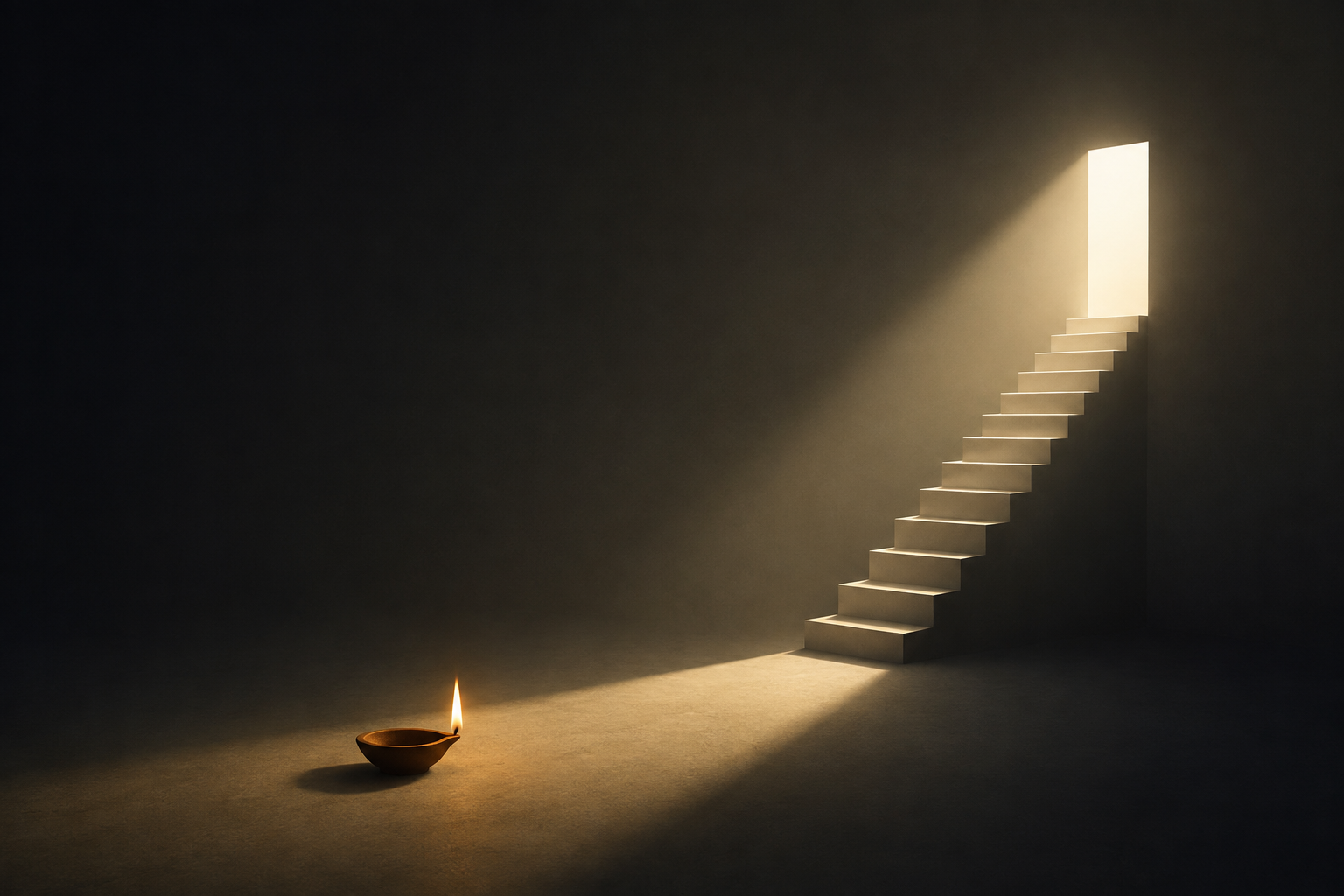
“Education enlightens one mind, but its light reaches generations yet unborn. Ignorance darkens one life, but its shadow stretches across generations too.”
03Not a Personal Failure, but a Shared Responsibility
None of this should be read as a personal failing on the part of those who remain uneducated. Many people are not uneducated because they rejected learning, but because learning was never genuinely within their reach. Some children are born far from any functioning school. Some leave the classroom because their family cannot survive without their labour. Some face a disability without the support that would let them stay. Some grow up amid conflict, discrimination, or extreme poverty, or are simply surrounded by adults who never had the opportunity to learn themselves. To blame the individual for their own ignorance, in circumstances like these, is to look past everything that created it.
Education, for that reason, cannot be treated as an individual’s responsibility alone. It is a shared moral responsibility, distributed across several actors at once: parents who nurture curiosity, communities that create an environment where learning is respected, teachers who inspire rather than merely instruct, and governments that recognise quality education as a constitutional and moral duty rather than an act of charity. Society, collectively, has to ensure that no child is denied learning because of poverty, disability, gender, geography, language, or background — because when even one capable child is left behind, humanity loses talent it will never get back.
04What Access Actually Requires
Access to education means considerably more than putting up school buildings. It means removing every barrier standing between a child and the chance to learn — keeping schools affordable, getting learning resources to every child regardless of location, and making sure technology narrows inequality rather than widening it further. Libraries, digital content, assistive devices, community learning centres, scholarships, trained teachers, nutritious meals, and safe classrooms are not luxuries in this picture; they are investments in human potential, and every barrier removed becomes, quite literally, another life changed.
05What a Society Gains, and Loses
The returns on these investments reach well beyond any single successful individual. Education builds healthier families, more productive economies, stronger democracies, safer communities, scientific progress, social harmony, and more responsible citizenship. A society that educates its people reduces crime not only through law but through the opportunity that makes crime less necessary; it reduces poverty not only through welfare but through capability; and it produces citizens who think before they follow, question before they believe, and build rather than destroy.
The reverse holds with equal force. Where ignorance spreads, misinformation spreads alongside it. Division crowds out understanding, superstition overpowers reason, exploitation grows easier, and violence finds more fertile ground to take root in. Development slows, because so much human potential stays locked away and unused. In the end, the price of ignorance is paid by everyone — including those who believed, wrongly, that they stood safely apart from it.
06More Than the Transfer of Information
Perhaps the deepest point in all of this is that education was never simply the transfer of information. It is the awakening of a mind. It teaches people not only how to earn a living, but how to live with wisdom, responsibility, empathy, and purpose — how to recognise their rights alongside their duties. In that sense, education is what turns human beings into citizens, and communities into civilisations.
Every child who enters a classroom carries possibilities no one can fully measure. Every child denied that classroom carries possibilities the world may simply never witness.
The Real Question
The choice in front of us was never really about whether education is expensive. The real choice is whether we are willing to go on bearing the far less visible, far larger cost of ignorance — a cost that, unlike a school fee, never arrives as a single bill, and never stops compounding once it begins.
The question is not “Can we afford education?” It is “Can humanity afford another generation left in ignorance?”
अज्ञानता एक ऐसा कर्ज़ है जो पीढ़ी-दर-पीढ़ी बढ़ता जाता है
हम बड़ी बारीकी से हिसाब लगाते हैं कि पढ़ाई पर कितना ख़र्च होता है। लेकिन ये हिसाब कभी नहीं लगाते कि अनपढ़ रहने की क़ीमत क्या है — और ये दूसरा बिल, पहले वाले के उलट, चुपचाप आता है, धीरे-धीरे बढ़ता जाता है, और उन लोगों को चुकाना पड़ता है जिन्होंने कभी ये कर्ज़ लिया ही नहीं था।
हम पढ़ाई को अक्सर उन्हीं चीज़ों से नापते हैं जो आँखों को दिखती हैं — स्कूल की फ़ीस, किताबें, यूनिफ़ॉर्म, आना-जाना, और टेक्नोलॉजी का ख़र्च। हम पूछते हैं कि क्या ये अफ़ोर्ड कर सकते हैं, क्या इतना ख़र्च करना सही है, क्या इसे कुछ और अच्छे वक़्त तक टाला जा सकता है। ये सवाल पूछना ग़लत नहीं है। लेकिन इनकी वजह से एक ज़्यादा ज़रूरी सवाल पीछे छूट जाता है — अनजान या अनपढ़ रहने की क़ीमत क्या है?
पढ़ाई की तरह अज्ञानता कोई बिल नहीं भेजती। ये पहले से कोई पैसा नहीं माँगती। ये बस इंतज़ार करती है, और फिर दिन-ब-दिन, साल-दर-साल, अपनी क़ीमत वसूलती है — छूटे हुए मौक़ों से, बिगड़ी सेहत से, शोषण से, ग़रीबी से, भेदभाव से, झगड़ों से, और उस काबिलियत से जिसे कभी दुनिया के सामने आने का मौक़ा ही नहीं मिला। जो आज मुफ़्त लगता है, वही आगे चलकर ज़िंदगी का सबसे महंगा फ़ैसला बन जाता है।
01दो निवेश, दो अलग दिशाएँ
पढ़ाई और अज्ञानता, दोनों अपने-अपने तरीक़े से एक निवेश हैं — बस दोनों बिल्कुल उलटी दिशा में बढ़ते हैं। हर सीखा हुआ सबक़, हर पढ़ी हुई किताब, हर सीखा हुआ हुनर, और हर खुला हुआ दिमाग़ इंसान की बेहतर ज़िंदगी बनाने की ताक़त बढ़ाता है। पढ़ाई आज़ादी बढ़ाती है, सोच को तेज़ करती है, ख़ुद्दारी सिखाती है, हमदर्दी जगाती है, और लोगों को अपने आस-पास की दुनिया के लिए कुछ मायने रखने लायक़ बनाती है। इसका फ़ायदा स्कूल ख़त्म होने के बाद भी मिलता रहता है, क्योंकि पढ़ा-लिखा दिमाग़ ज़िंदगी भर सीखता, ढलता, और नया बनाता रहता है।
अज्ञानता इसका बिल्कुल उलटा रास्ता अपनाती है। ये इंसान के विकल्प उससे पहले ही घटा देती है, जब उसे पता भी नहीं होता कि कोई विकल्प था भी। इससे इंसान ग़लत जानकारी, शोषण, ग़लत फ़ैसलों, पूर्वाग्रह, और निराशा के आगे और ज़्यादा कमज़ोर पड़ जाता है। जो इंसान अज्ञानता में बड़ा होता है, उसमें सिर्फ़ जानकारी की कमी नहीं होती — वो उन मौक़ों को भी खो देता है जिनके बारे में उसे कभी पता ही नहीं चला। वक़्त के साथ ये चुपचाप होने वाला नुक़सान ज़िंदगी के हर हिस्से पर बोझ बन जाता है।
02एक विरासत, कोई चुनाव नहीं
पढ़ाई और अज्ञानता में सबसे बड़ा फ़र्क़ ये है कि दोनों में से कोई भी सिर्फ़ एक ही ज़िंदगी तक सीमित नहीं रहता। दोनों अगली पीढ़ी को मिलते हैं — ख़ून से नहीं, बल्कि उस माहौल, उन मौक़ों, और उस कल्चर से जिसमें एक बच्चा पैदा होता है।
एक पढ़ा-लिखा माँ-बाप अपने बच्चे को कहानी सुनाने, उसके सवालों को बढ़ावा देने, सीखने की क़दर करने, इलाज करवाने, अपने हक़ को समझने, और सिर्फ़ गुज़ारा करने से आगे कुछ सपने देखने की ज़्यादा हिम्मत रखता है। साधन कम हों तब भी पढ़ाई घर का माहौल बदल देती है — डर की जगह जिज्ञासा आ जाती है, बेबसी की जगह उम्मीद आ जाती है, और बच्चे यक़ीन के साथ बड़े होते हैं कि उनका आने वाला कल उनके गुज़रे हुए कल से अलग हो सकता है। इस तरह पढ़ाई एक ऐसा तोहफ़ा बन जाती है जो एक पीढ़ी चुपचाप अगली पीढ़ी को सौंप देती है।
अज्ञानता भी उसी पीढ़ी वाले रास्ते पर चलती है, बस उल्टी दिशा में। जो बच्चा ऐसी जगह बड़ा होता है जहाँ पढ़ाई-लिखाई नहीं होती, उसे वो कमियाँ विरासत में मिल जाती हैं जो उसने कभी चुनी ही नहीं थीं। जहाँ माँ-बाप को पढ़ने का मौक़ा नहीं मिला, वहाँ बच्चे अक्सर बिना किताबों, बिना सही राह, बिना हौसले, और बिना किसी साफ़ मौक़े के ज़िंदगी शुरू करते हैं। ग़रीबी अपने आप में भी विरासत में मिल सकती है, लेकिन अज्ञानता उसे और गहरा कर देती है — हर पीढ़ी वहीं से शुरू होती है जहाँ पिछली पीढ़ी अटकी रह गई थी, और यही वजह है कि ये चक्र तोड़ना इतना मुश्किल हो जाता है। यानी अज्ञानता का असर शायद ही कभी सिर्फ़ एक ज़िंदगी तक रहता है — इसके नतीजे आगे आने वाली ज़िंदगियों तक भी पहुँचते हैं।
“पढ़ाई एक दिमाग़ को रोशन करती है, मगर उसकी रोशनी उन पीढ़ियों तक पहुँचती है जो अभी पैदा भी नहीं हुईं। अज्ञानता एक ज़िंदगी को अंधेरे में डालती है, मगर उसका साया भी कई पीढ़ियों तक फैल जाता है।”
03निजी कमी नहीं, साझा ज़िम्मेदारी
इसे कभी भी उन लोगों की निजी कमी मानकर नहीं देखना चाहिए जो पढ़ नहीं पाए। बहुत से लोग इसलिए अनपढ़ नहीं रहे क्योंकि उन्होंने पढ़ाई ठुकराई, बल्कि इसलिए क्योंकि पढ़ाई कभी उनकी पहुँच में आई ही नहीं। कुछ बच्चे ऐसी जगह पैदा होते हैं जहाँ आस-पास कोई ठीक-ठाक स्कूल ही नहीं होता। कुछ बच्चे स्कूल इसलिए छोड़ देते हैं क्योंकि उनका परिवार उनकी मेहनत-मज़दूरी के बिना गुज़ारा नहीं कर सकता। कुछ बच्चों को कोई दिव्यांगता होती है और उन्हें वो मदद नहीं मिलती जो उन्हें स्कूल में टिकाए रख सके। कुछ बच्चे झगड़ों, भेदभाव, या बेहद ग़रीबी के बीच बड़े होते हैं, या फिर बस ऐसे बड़ों के बीच रहते हैं जिन्हें ख़ुद कभी पढ़ने का मौक़ा नहीं मिला। ऐसे हालात में किसी इंसान को उसकी अपनी अज्ञानता के लिए दोष देना, उन सारी वजहों को नज़रअंदाज़ करना है जिन्होंने ये हालात पैदा किए।
इसीलिए पढ़ाई को सिर्फ़ एक इंसान की ज़िम्मेदारी नहीं माना जा सकता। ये एक साझा और नैतिक ज़िम्मेदारी है, जो एक साथ कई लोगों पर बँटी होती है — वो माँ-बाप जो जिज्ञासा को बढ़ावा देते हैं, वो समाज जो पढ़ाई की क़दर करने वाला माहौल बनाता है, वो टीचर जो सिर्फ़ पढ़ाते नहीं बल्कि प्रेरित भी करते हैं, और वो सरकारें जो अच्छी पढ़ाई को दान नहीं बल्कि एक संवैधानिक और नैतिक फ़र्ज़ मानती हैं। पूरे समाज को मिलकर ये यक़ीनी बनाना होगा कि कोई भी बच्चा ग़रीबी, दिव्यांगता, जेंडर, इलाक़े, भाषा, या पृष्ठभूमि की वजह से पढ़ाई से महरूम न रहे — क्योंकि जब एक भी काबिल बच्चा पीछे छूट जाता है, तो इंसानियत एक ऐसी प्रतिभा खो देती है जो उसे फिर कभी वापस नहीं मिलती।
04पहुँच का असली मतलब
पढ़ाई तक पहुँच का मतलब सिर्फ़ स्कूल की बिल्डिंग बना देना नहीं है। इसका मतलब है हर उस रुकावट को हटाना जो एक बच्चे और उसके सीखने के मौक़े के बीच खड़ी है — स्कूल की फ़ीस को सबकी पहुँच में रखना, हर बच्चे तक पढ़ाई का सामान पहुँचाना चाहे वो कहीं भी रहता हो, और ये यक़ीनी बनाना कि टेक्नोलॉजी असमानता को कम करे, बढ़ाए नहीं। लाइब्रेरी, डिजिटल कंटेंट, दिव्यांगों की मदद के लिए उपकरण, कम्युनिटी लर्निंग सेंटर, स्कॉलरशिप, ट्रेंड टीचर, पौष्टिक खाना, और सुरक्षित क्लासरूम — ये सब कोई शौक़ या ऐशो-आराम की चीज़ें नहीं हैं, बल्कि इंसानी काबिलियत में किया गया निवेश हैं। और जो भी एक रुकावट हटती है, वो सीधे-सीधे किसी एक ज़िंदगी को बदल देती है।
05समाज को फ़ायदा, और नुक़सान
इस निवेश का फ़ायदा किसी एक कामयाब इंसान तक सीमित नहीं रहता। पढ़ाई ज़्यादा सेहतमंद परिवार बनाती है, ज़्यादा मज़बूत अर्थव्यवस्था बनाती है, ज़्यादा मज़बूत लोकतंत्र बनाती है, ज़्यादा सुरक्षित समाज बनाती है, विज्ञान में तरक़्क़ी लाती है, आपसी मेल-जोल बढ़ाती है, और ज़िम्मेदार नागरिक तैयार करती है। जो समाज अपने लोगों को पढ़ाता है, वो अपराध सिर्फ़ क़ानून से नहीं, बल्कि उन मौक़ों से भी कम करता है जो अपराध की ज़रूरत ही ख़त्म कर देते हैं; वो ग़रीबी सिर्फ़ सरकारी मदद से नहीं, बल्कि लोगों की काबिलियत बढ़ाकर भी कम करता है; और वो ऐसे नागरिक बनाता है जो पीछे चलने से पहले सोचते हैं, यक़ीन करने से पहले सवाल पूछते हैं, और तोड़ने की बजाय कुछ बनाते हैं।
इसका उल्टा भी उतनी ही मज़बूती से सच है। जहाँ अज्ञानता फैलती है, वहाँ ग़लत जानकारी भी उसी के साथ फैलती है। समझदारी की जगह फूट ले लेती है, अंधविश्वास सोच-समझ पर हावी हो जाता है, शोषण करना आसान हो जाता है, और हिंसा को पनपने की ज़मीन मिल जाती है। तरक़्क़ी धीमी पड़ जाती है, क्योंकि इतनी सारी इंसानी काबिलियत बंद पड़ी रह जाती है, इस्तेमाल ही नहीं हो पाती। आख़िर में अज्ञानता की क़ीमत सबको चुकानी पड़ती है — यहाँ तक कि उन लोगों को भी जो ये सोचकर बैठे थे कि वो इससे बिल्कुल सुरक्षित हैं।
06सिर्फ़ जानकारी से कहीं ज़्यादा
शायद इस सबमें सबसे गहरी बात यही है कि पढ़ाई कभी सिर्फ़ जानकारी देने का ज़रिया नहीं रही। ये दिमाग़ को जगाने का काम करती है। ये लोगों को सिर्फ़ रोज़ी-रोटी कमाना नहीं सिखाती, बल्कि समझदारी, ज़िम्मेदारी, हमदर्दी, और मक़सद के साथ जीना सिखाती है — अपने हक़ के साथ-साथ अपने फ़र्ज़ को पहचानना भी सिखाती है। इस मायने में पढ़ाई ही है जो इंसानों को नागरिक बनाती है, और समाजों को सभ्यता बनाती है।
जो बच्चा क्लासरूम में क़दम रखता है, वो अपने साथ ऐसी संभावनाएँ लेकर आता है जिन्हें कोई पूरी तरह माप नहीं सकता। और जिस बच्चे को वो क्लासरूम नसीब नहीं होता, उसकी संभावनाओं को शायद दुनिया कभी देख भी नहीं पाती।
असली सवाल
हमारे सामने जो चुनाव है, वो कभी ये नहीं था कि पढ़ाई महंगी है या नहीं। असली चुनाव ये है कि क्या हम अज्ञानता की उस बहुत बड़ी, मगर कम दिखने वाली क़ीमत को चुकाते रहने के लिए तैयार हैं — एक ऐसी क़ीमत जो, स्कूल की फ़ीस के उलट, कभी एक बार का बिल बनकर नहीं आती, और एक बार शुरू होने के बाद बढ़ना कभी बंद नहीं करती।
सवाल ये नहीं है कि “क्या हम पढ़ाई का ख़र्च उठा सकते हैं?” सवाल ये है कि “क्या इंसानियत एक और पीढ़ी को अज्ञानता में छोड़ने का जोखिम उठा सकती है?”